
Chasing the Green Season: Why Tanzania’s Rainy Season Safaris Are Underrated
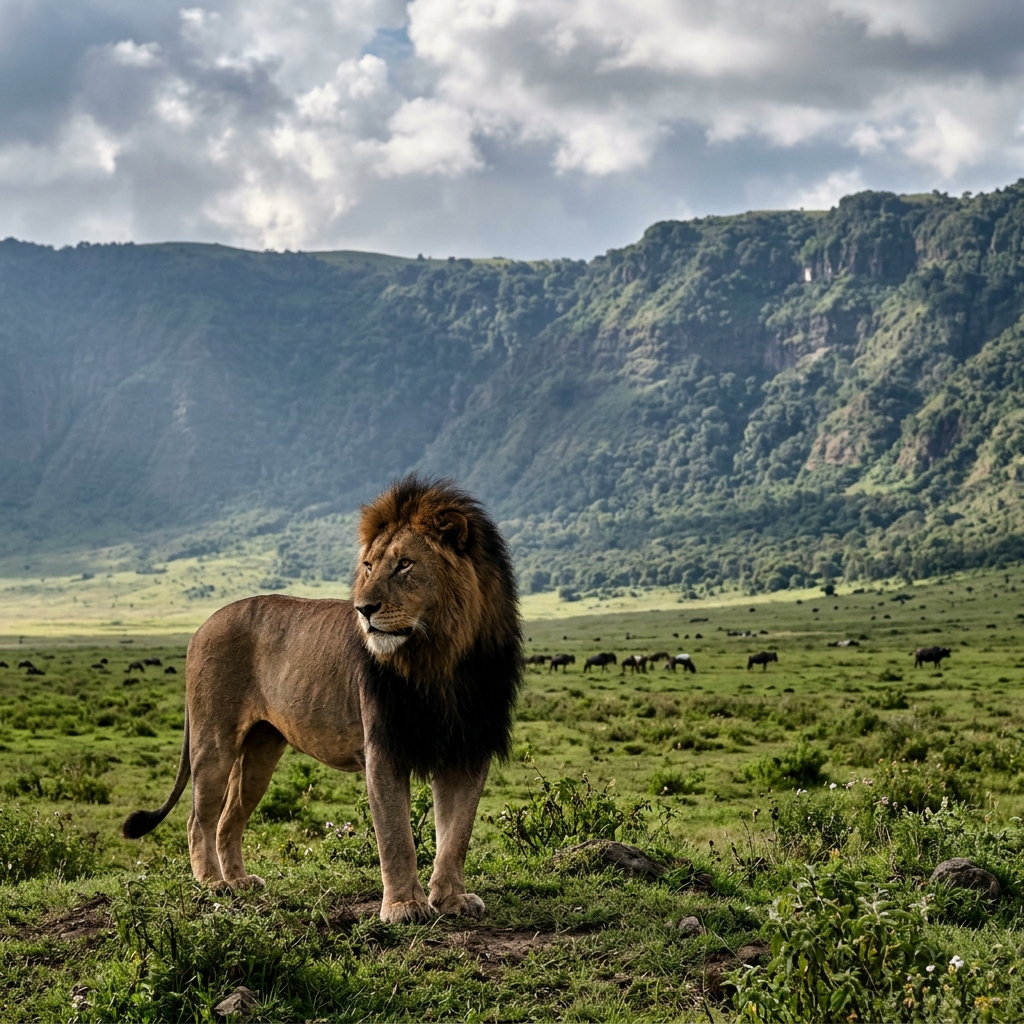
While mainstream travel guides often direct first-time visitors strictly toward the July–October dry season, experienced safari connoisseurs know that Tanzania’s Green Season (also called the Emerald Season, spanning November to May) is arguably the most rewarding time to explore the bush.
Zero Crowds & Exclusive Wildlife Sightings
During the green season, tourist numbers drop significantly across the Serengeti and Ngorongoro Crater. Instead of sharing a predator sighting with ten other vehicles, you often enjoy exclusive private encounters with lions and cheetahs with not another soul in sight.
Dramatic Light & Dust-Free Photography
Dry season safaris can be hazy with thick airborne dust. In the green season, brief afternoon showers wash the skies crystal-clear, resulting in saturated emerald green savannahs, dramatic thunderhead cloud formations, and golden evening light that photographers dream of.
The Miracle of the Calving Season
From January to March in Ndutu, over 1.5 million wildebeests gather on the southern Serengeti plains. Watching thousands of newborn calves stand on wobbly legs within minutes of birth is an unforgettable miracle of nature, complemented by non-stop predator action.
Exceptional Value at Luxury Lodges
Many of Tanzania’s most prestigious luxury lodges and tented camps offer green season rates that are 30% to 50% lower than peak July rates. Travelers can enjoy world-class accommodations, personalized private guiding, and pristine wilderness at a fraction of high-season prices.
"Let Your Imagination Wander."
Smashing Africa ToursAbout Smashing Africa Tours
We write expert travel journals compiled by native safari planners and certified rangers in Arusha, Tanzania, ensuring your holidays are safe, authentic, and unforgettable.